
The Journey of the Three Magi. Postcard from Assagioli’s Archives (ID# 010305)
Recently I realized that desire, in all its dimensions, is beautifully woven into the Christmas story. This word desire can evoke so many different images and feelings. Assagioli saw desire as an integral part of ourselves and subject to both our personal will and the will of the Higher Self.
In fact, the word desire fundamentally holds this idea of a higher or transpersonal will. I was amazed to learn, not so long ago, that the word comes from the Latin roots dē, which means to “come from” and sīdus which means “heavenly body.” In other words, our longings literally “come from the heavens.” This idea may have originated from astrology, which attempts to understand how the heavenly bodies – stars and planets alike – can define who we are and what we want to become.
It seems to me that the journey of the three Wise Men beautifully captures the nuance held in this word. Their desire to find, exalt, and pay homage to the Prince of Peace came from and was guided by a unique and brilliant heavenly body, a bright star in the desert sky. Their deep inner desire driven by their personal will prompted them to caravan long distances across dangerous, foreign lands.
 The title of this blog might be a strange one for Christmas week, a time when many of us make a special effort to help those in need, donate money to charity, and volunteer our time to a deserving cause. Given the state of our world, you might argue that “stop saving the world” seems incongruent with what the world really needs today.
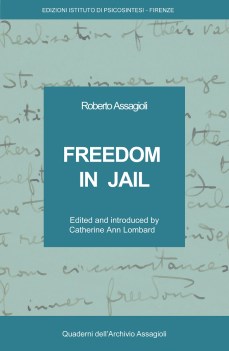 Roberto Assagioli’s “prison diary” Freedom in Jail is an autobiographical account of the month he spent in prison under the fascist regime in 1940. His conclusion is entitled “A Hymn to Inner Freedom” where he writes about every man and woman’s power to inwardly free themselves.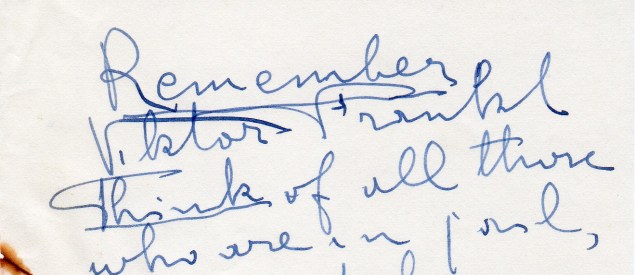
 Love and Will