
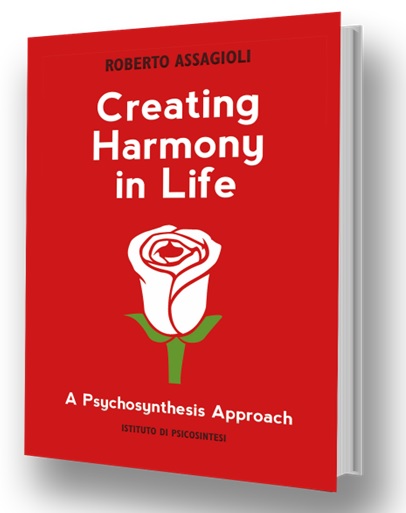
Originally published in Italian in 1966 as Psicosintesi: Per l’armonia della vita, Creating Harmony in Life provides a fundamental overview of psychosynthesis by bringing together the early lectures of Roberto Assagioli. These lectures explore what psychosynthesis is and how it can be applied towards the practice of personal and spiritual self-development.
A great book for anyone new to psychosynthesis, Creating Harmony in Life is also a treasure trove for experienced psychosynthesis practitioners, with Assagioli’s nuggets of wisdom waiting to be discovered, contemplated, and put into practice.
This seminar includes 12 meetings, with each meeting focusing on one of the twelve chapters of the book. The book can be purchased on Amazon. Participants are encouraged to read the chapter that will be discussed during the month’s meeting and come prepared to share what struck, surprised, or inspired them.
See also:
5 Reasons to Read “Creating Harmony in Life”
Click here to read the Introduction to Creating Harmony in Life and see its Table of Contents and Index.
Your Presenter and Guide
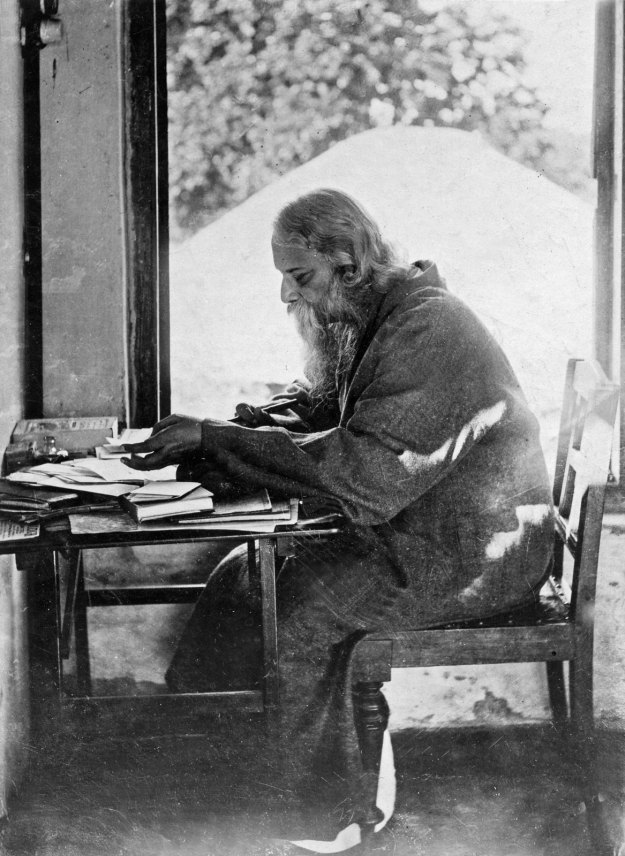
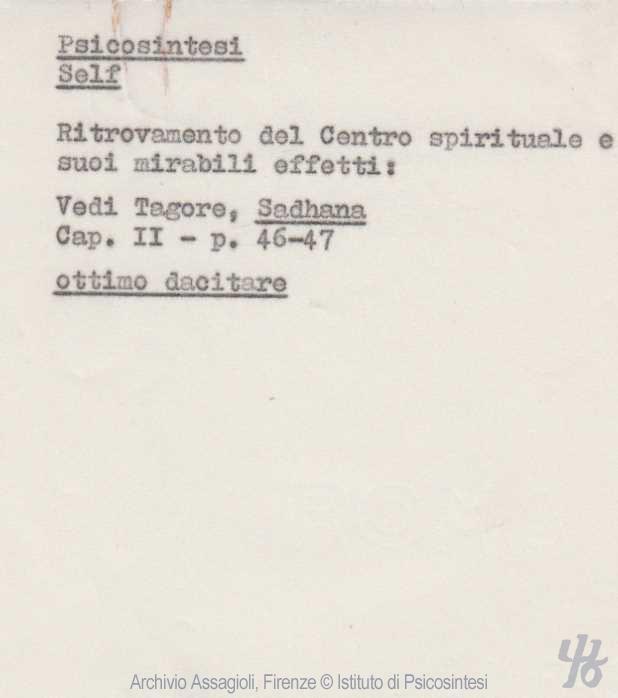
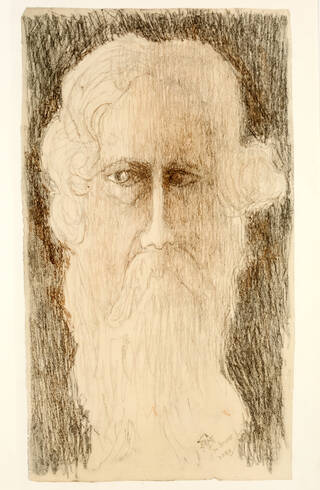
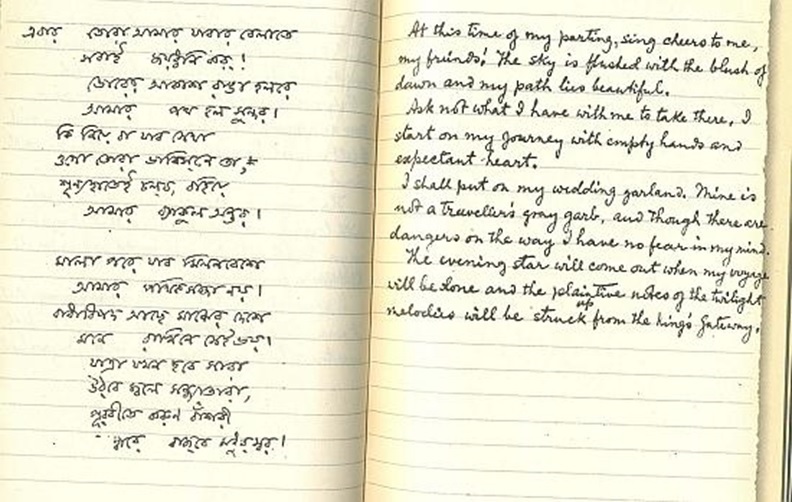
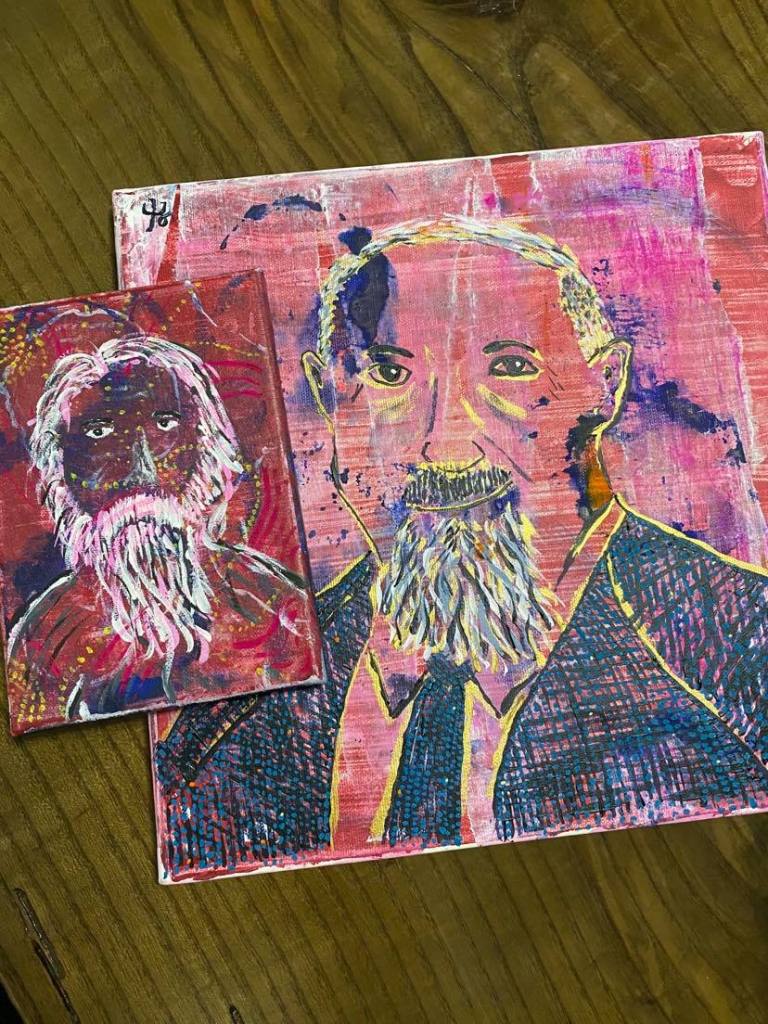
Catherine Ann Lombard, M.A. translated and wrote the Introduction to Creating Harmony in Life as well as the biographical appendix: “Roberto Assagioli: A Multifaceted Life.” She is a psychosynthesis psychologist, practitioner and researcher, having published numerous scientific articles on psychosynthesis, as well as essays. Most recently, she has been exploring the relationship between Roberto Assagioli and Rabindranath Tagore, the Bengali poet and Nobel Prize winner of Literature in 1913. Currently, her book Rabindranath Tagore: A Psychosynthesis Perspective is under review by the publisher Routledge India.
Each encounter will include:
– A brief presentation by Catherine on the chapter.
– An opportunity for participants to share their overall impressions.
– A meditation focusing on the major theme of the chapter and it manifestation in the world.
Seminar Details
Time:
7 pm-8:30 pm CET
6 pm-7:30 pm GMT
10 am-11:30 am PST
Dates:
Second Sunday of the month
2025: September 14, October 12, November 9, December 14
2026: January 11, February 8, March 8, April 12, May 10, June 14, July 12, (August break), September 13
Cost: 150 EUR
You are welcome to register even if you cannot participate in all sessions.
Interested?
Send an email to loveandwill@live.com. Once you have registered, you will receive the zoom link to participate.
For more information, email Catherine Ann Lombard at loveandwill@live.com or visit Catherine’s website LoveAndWill.com
What others have said about Creating Harmony in Life
Creating Harmony in Life provides an excellent introduction to psychosynthesis, transpersonal psychology and psychospiritual development. This skillful and eloquent translation brings Roberto Assagioli’s wisdom of the transpersonal dimension of human experience to an even wider audience. In addition to Assagioli’s work, the book offers a comprehensive and beautifully written biographical chapter: “Roberto Assagioli: A Multifaceted Life.” Whether new to this work or a long time practitioner, this is an important resource that is also a pleasure to read. Highly recommended to anyone seeking to deepen connection to the wisdom and gentle, transformational power of psychosynthesis.
Susan Jewkes Allen, Executive Director Synthesis Center San Francisco
This elegant translation by Catherine Ann Lombard is a timely arrival providing a wonderful introduction to the key principles of psychosynthesis a century after they were first presented. Insightful and accessible, the book fills an important gap in Assagioli’s canon in English by describing the major concepts of psychosynthesis supported by quotes and illustrative examples. I read my copy avidly and have since recommended it to many friends and clients around the world. The current state of the planet suggests an urgent need for such ideas.
Mr Peter J Crowe
Creating Harmony in Life: A Psychosynthesis Approach
by Roberto Assagioli
Published by the Istituto di Psicosintesi, Florence
Available from Amazon
ISBN 979-12-21402-74-2




 Love and Will