
In the Umbrian countryside, it is time to burn old growth.
We are now at the end of Lent – a time before Easter when Christians seek purification through fasting, prayer, and charitable acts. The forty days of Lent are, in many ways, similar to the Islamic time of Ramadan, which I was fortunate enough to experience while living in Egypt. During Ramadan, Moslems are expected to fast as well as give alms and read the Qur’an.
Assagioli wrote extensively on what he called “the science of applied purification”, insisting that this work must be undertaken in order to transform the lower characteristics of our personality and bring unity to our soul. He described purification of the personality as a process of re-orientation and elevation of the higher mind. Using our will, we burn the dross of our affective and instinctual energies, habits, tendencies and passions. Once clear of the obstacles that prevent us from receiving our higher intuitions, we are free to receive wisdom from the Higher Self. In other words, purification is a necessary process that we all must endure along the journey towards personal psychosynthesis before we are adequately equipped to seek spiritual psychosynthesis. Continue reading

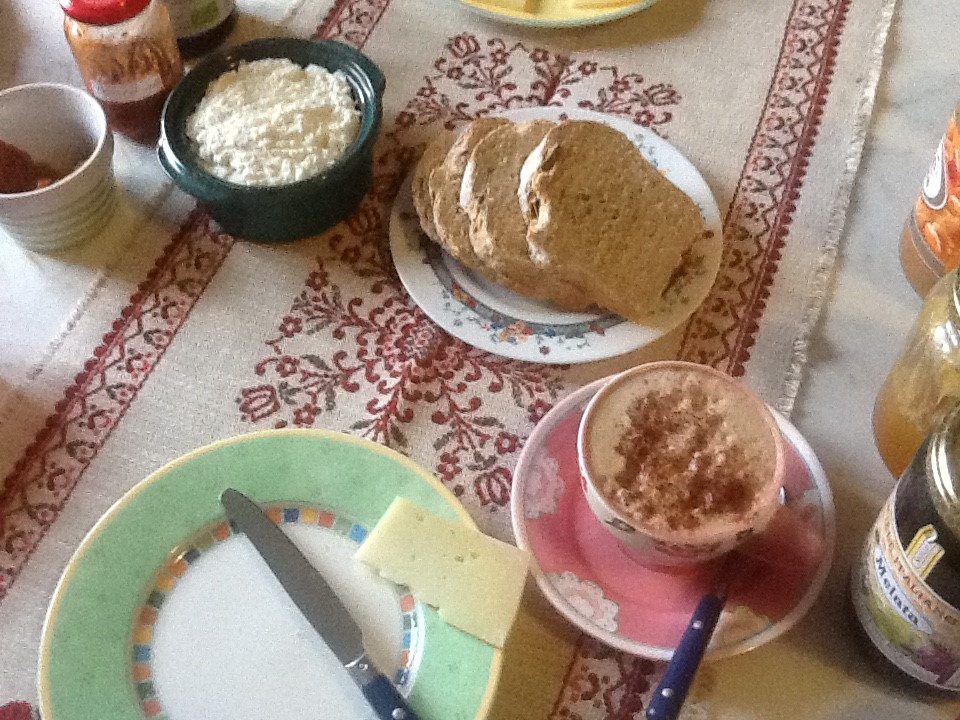 The day started out normal enough. Breakfast of homemade bread and jams, creamy sheep cheese from Sardinia, ricotta, and peanut butter from a large jar brought long ago from the Netherlands, all swallowed down with cappuccinos in our usual breakfast cups. That morning we were just a bit more rushed, hurrying out by 8 am to attend the morning mass at the Monastery of St. Luca in Fabriano.
 Love and Will